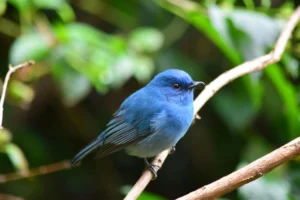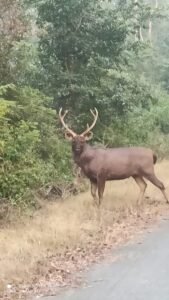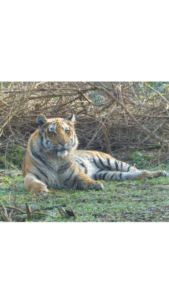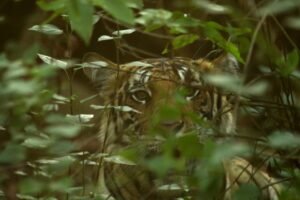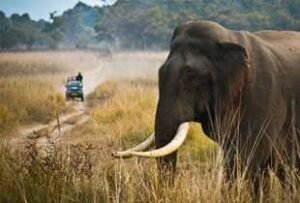
Corbett is a demanding place to photograph. The forest is dense, the light changes fast, and your subject decides whether it appears at all. Getting good images here is less about expensive gear than about being in the right vehicle, in the right zone, at the right hour.
Here is what we tell photographers who book with us.
On this page
Quick answer
Book a jeep, never a canter. This matters more than your lens. You control the stops.
Take the morning slot. First light plus peak animal activity.
Bring a telephoto in the 100–400mm range, and something to keep dust out of the body.
Come in March to June if the subject is a tiger; thin cover and concentrated water dramatically improve your chances.
Gear that matters
- Telephoto zoom, 100–400mm. The workhorse. Fixed long primes are sharper but you cannot reposition in a moving jeep.
- A second body or a wide zoom. Changing lenses in a dusty open vehicle is how sensors get ruined.
- Bean bag or a folded jacket. Tripods are useless in a jeep. A bean bag braced on the frame steadies a long lens properly.
- Fast card, spare batteries. Cold winter mornings drain batteries quicker than you expect.
- Dust protection. The tracks throw up a great deal of dust behind a moving vehicle.
Full clothing and kit advice is in our packing guide.
Why the vehicle decides your shots
This is the point most photography advice skips. A jeep is booked as a whole vehicle, so your group decides where to stop and how long to wait. When a tiger is sitting in cover and might step out in fifteen minutes, that patience is the difference between an image and a story about one.
A canter carries 16 people on a shared route. You cannot ask fifteen strangers to wait, and their movement transmits through the vehicle into your long lens.
Our jeep vs canter comparison covers the tradeoffs in full. For photography the answer is not close.
Zones by subject
| Subject | Zone | Why |
|---|---|---|
| Tigers | Bijrani, Jhirna | Highest reported sighting probability |
| Grassland and scale | Dhikala | Largest zone, Ramganga reservoir, long sightlines |
| Elephants | Hathi Dager | Elephant corridor along the riverbed |
| Birds and raptors | Durga Devi | Hill terrain, river gorges, varied habitat |
| River and light | Mohaan | Kosi riverbank drives, quieter zone |
| Unhurried shooting | Sitabani | No permit needed, open all year, slower pace |
Light and timing
The morning slot starts at 6:00 AM in summer and 6:30 AM in winter. The first hour is the one that matters — low, warm, directional light and animals still active before the heat.
Winter mornings begin misty, which is atmospheric but costs you a stop or two of light early on. Summer mornings are clearer but you are working against haze by nine.
Evening slots (2:00–6:00 PM summer, 1:30–5:30 PM winter) give you the last hour of good light, but animal movement is lower in the heat. Our seasonal guide breaks this down month by month.
Etiquette and rules
- No drones. Prohibited in the national park.
- Stay in the vehicle. Non-negotiable, and it is also where your bean bag works.
- No flash at wildlife. Distressing to animals and it will not reach anyway.
- Keep quiet. Your guide is listening for langur alarm calls, which are how tigers get located.
- Do not ask the driver to chase. Good operators refuse, and pressuring an animal ruins the encounter for everyone.
Tell us when booking that you are photographing. We will pair you with a driver who understands why you want to sit still for twenty minutes.
Frequently asked questions
What lens do I need for wildlife photography in Jim Corbett?
A telephoto in the 100-400mm range covers most situations. Much of what you photograph is at distance across grassland or riverbed, and a standard zoom will leave you cropping heavily.
Should I book a jeep or canter for photography?
A jeep, without question. You control where the vehicle stops and how long it waits. On a shared canter with 16 people, that decision is not yours, and vibration from other passengers affects long lenses.
What is the best time of day for photography in Jim Corbett?
The morning slot. The first hour after sunrise gives warm directional light and the highest animal activity. Afternoon light is harsher and, in summer, animals move less.
Are drones allowed in Jim Corbett for photography?
No. Drones are prohibited in the national park. Do not bring one expecting to fly it.
More Jim Corbett Safari Guides
- Safari Mistakes First-Timers Make
- Places to Visit Near Jim Corbett
- Best Time to Visit Jim Corbett
- How to Reach Jim Corbett from Delhi
Browse all our Jim Corbett travel guides and safari tips.
Plan your safari with us
We have run safaris out of Ramnagar, Nainital district, Uttarakhand for over 25 years. Tell us your dates and we will recommend the right zone, arrange the Forest Department permit and handle the jeep and guide.
Check prices and book online, browse Corbett tour packages, or message our team for a free recommendation.