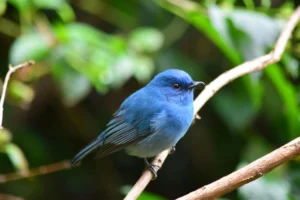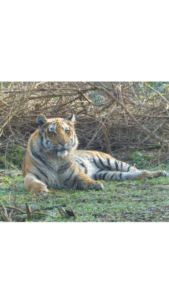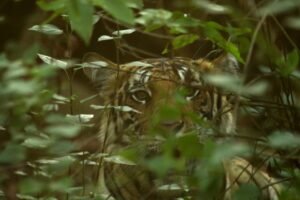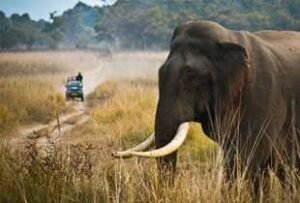
Corbett is known for tigers, which means most visitors miss what is arguably the more reliable attraction. Over 500 bird species have been recorded across this landscape — resident forest birds, raptors, riverine specialists and winter migrants.
If you come for birds you will not go home disappointed, which is more than can be said for tiger-focused trips.
Quick answer
Best zone: Durga Devi — hill terrain, river gorges and the widest variety.
Easiest access: Sitabani — no Forest Department permit needed, open all year, and suited to slow observation rather than a fast jeep drive.
Best season: November to February, when migrants arrive and visibility is at its best.
Best zones for birds
Durga Devi is the serious birder’s zone. Its hill terrain and river gorges create varied habitat, and it is known for the Grey-headed Fishing Eagle among many raptors. Drives here are quieter than the tiger-focused zones.
Sitabani is the practical favourite. Because it lies outside the core park boundary it requires no permit and stays open all year, including through the monsoon when the core zones close. That makes it the only reliable option for birdwatching in July, August and September. It also allows a slower pace than a jeep drive.
Garjiya and Phato are quieter, newer zones with good birdlife and fewer vehicles. Dhikala, with the Ramganga reservoir, is strong for waterbirds and raptors.
You can compare all twelve on our safari zones page.
When to go
November to February is the peak. Migratory species are present, the air is clear after the monsoon, and resident birds are active through the day. Mornings are cold — genuinely cold in an open vehicle — so dress for it.
March to April is excellent as breeding activity picks up and birds are vocal.
May to June favours raptors and waterbirds concentrated around shrinking water, but the heat is demanding.
Monsoon closes the core zones. Sitabani remains open and the forest is at its greenest.
What to look for
- Raptors — the Grey-headed Fishing Eagle is a Durga Devi speciality; other eagles and owls are widespread.
- Riverine species — along the Ramganga and Kosi, including kingfishers and waders.
- Forest birds — hornbills, woodpeckers, barbets and drongos through the Sal forest.
- Winter migrants — arriving from November and staying into February.
- Peafowl and junglefowl — abundant and impossible to miss.
Practical tips
- Bring binoculars. The single most useful item; much of what you see is at distance.
- Book a jeep, not a canter. You control where and how long you stop. A shared canter cannot pause for a warbler.
- Take the morning slot. Bird activity peaks in the first hours after dawn.
- Wear muted colours — olive, khaki, grey. See our packing guide.
- Tell us in advance that birds are your priority. We will pair you with a guide who knows calls rather than one focused on tiger tracking.
Frequently asked questions
Which zone is best for birdwatching in Jim Corbett?
Durga Devi is the standout birding zone, with hill terrain and river gorges. Sitabani is the other strong choice because it needs no Forest Department permit, stays open all year and suits slow observation on foot.
How many bird species are in Jim Corbett?
More than 500 species have been recorded across the wider Corbett landscape, including resident forest birds, raptors, riverine species and winter migrants.
What is the best season for birdwatching in Jim Corbett?
November to February. Winter brings migratory species, the air is clear, and resident birds are active. Summer is good for raptors but harder going in the heat.
Do I need a permit for birdwatching in Jim Corbett?
For the core zones, yes, a Forest Department permit is required. Sitabani sits outside the core boundary and does not require one, which is why it suits casual birdwatching.
More Jim Corbett Safari Guides
- Wildlife Photography in Jim Corbett
- Safari Mistakes First-Timers Make
- Places to Visit Near Jim Corbett
- Best Time to Visit Jim Corbett
Browse all our Jim Corbett travel guides and safari tips.
Plan your safari with us
We have run safaris out of Ramnagar, Nainital district, Uttarakhand for over 25 years. Tell us your dates and we will recommend the right zone, arrange the Forest Department permit and handle the jeep and guide.
Check prices and book online, browse Corbett tour packages, or message our team for a free recommendation.