A trip to Jim Corbett is not only an adventure – it is an education. Behind every safari is a story of conservation, from the man the park is named after to the forest guards who protect it today. Here is how Jim Corbett wildlife conservation works and what visitors take away from it.
Jim Corbett and wildlife conservation: a landmark
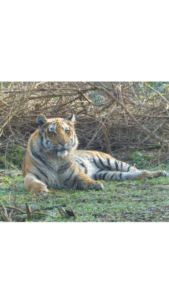
Established in 1936, Jim Corbett is the oldest national park in India, and in 1973 it became the launchpad for Project Tiger, the country’s national effort to save the Bengal tiger. Visiting connects you to that living history of conservation.
What you learn on a Corbett safari
Trained naturalist guides read the forest for you – alarm calls, pug marks, bird behaviour – and explain how the grassland, Sal forest and Ramganga river support an entire web of life. You leave understanding tigers as part of an ecosystem, not just a photo. See the wildlife you can expect in our wildlife guide.
The Jim Corbett museum at Kaladhungi
Jim Corbett’s former winter home at Kaladhungi, about 26 km from Ramnagar, is now a museum of his life as a hunter-turned-conservationist and author. It is a thoughtful add-on that deepens the story behind the park.
Responsible, low-impact tourism
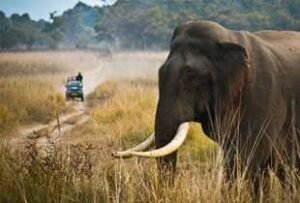
Conservation depends on visitors behaving well: stay in the vehicle, keep quiet, never litter or feed animals, and follow your guide. Permit-based, regulated tourism also funds forest protection and supports local communities.
A great trip for students and groups
For schools, colleges and nature clubs, Corbett offers real, hands-on learning about ecology and conservation. We arrange guided, responsible group trips with local naturalists.
Plan a responsible Corbett nature trip
Whether it is a family, a student group or nature lovers, we arrange guided, low-impact safaris with expert local naturalists.
More Jim Corbett guides
Browse all our Jim Corbett travel guides and safari tips.
Frequently asked questions
When was Jim Corbett National Park established?
Jim Corbett is India’s oldest national park, established in 1936 as Hailey National Park and later renamed after the conservationist Jim Corbett. It lies in Ramnagar, Uttarakhand.
What is Project Tiger and Jim Corbett’s role in it?
Project Tiger, India’s flagship tiger conservation programme, was launched from Jim Corbett in 1973, making it the birthplace of organised tiger conservation in the country.
Is Jim Corbett good for educational or school trips?
Yes. With trained naturalist guides, a rich variety of wildlife and the Corbett museum at Kaladhungi, the park is an excellent living classroom for students and nature enthusiasts.
How does safari tourism help conservation?
Responsible, permit-based tourism funds forest protection, supports local livelihoods and builds public awareness – all of which help protect tigers and their habitat.
Can Bagh Travels arrange educational or group nature trips?
Yes. We organise guided, responsible trips for families, students and groups with knowledgeable local naturalists. Contact us to plan one.